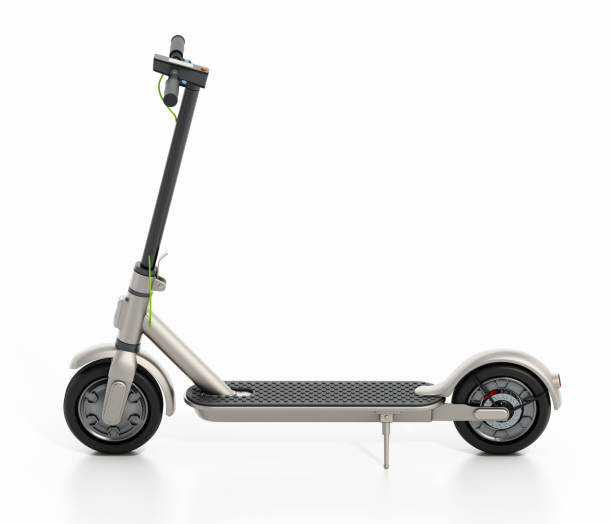
In recent years, electric scooters have rapidly transformed from a trendy experiment into a reliable mode of urban transportation. With rising fuel costs, increasing traffic congestion, and a global push towards eco-friendly solutions, electric scooters are becoming the go-to choice for daily commuting.
Key Benefits of Electric Scooters
Eco-Friendly Transport
Electric scooters run on rechargeable batteries, producing zero emissions. This makes them a sustainable choice compared to cars or motorbikes, helping reduce air pollution in crowded cities.
Cost-Effective Solution
With minimal maintenance and no fuel expenses, electric scooters are far more budget-friendly. Charging an e-scooter costs just a fraction of what you would spend on petrol or diesel.
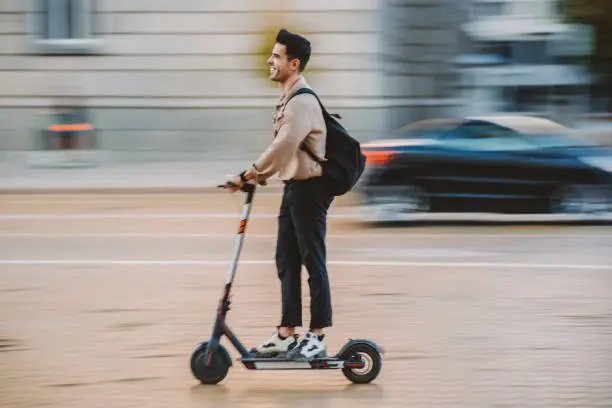
Electric scooters are not just a passing trend—they represent the future of smart, sustainable, and affordable transportation. As cities continue to embrace eco-friendly policies and individuals look for convenient travel options, e-scooters will only become more popular. If you’re searching for a modern, efficient, and stylish way to commute, an electric scooter might just be your perfect ride.
Challenges and Considerations
Like any new technology, electric scooters come with challenges that buyers must consider.
- Battery Life: Most e-scooters offer a range of 20–40 km per charge, which may not be enough for long-distance riders.
- Road Safety: As scooters share space with cars, bikes, and pedestrians, safety gear (helmets, knee pads, lights) is essential.
- Regulations: Some cities still lack proper rules for scooter usage, creating confusion about where they can or cannot be used.
- The Future of Electric Scooters
- Electric scooters are more than a passing trend—they’re shaping the future of mobility. As technology improves, we can expect:
- Experts predict that by 2030, electric scooters will be a standard part of urban transportation, reducing dependency on fuel-based vehicles and making cities cleaner and quieter.
Final Thoughts
Electric scooters represent a perfect blend of technology, affordability, and sustainability. They are solving some of the biggest challenges of modern urban life—traffic, high costs, and environmental concerns. For anyone looking for a practical and eco-friendly commuting option, an electric scooter is worth considering.
From students rushing to classes to professionals escaping traffic jams, e-scooters are proving to be more than just a ride—they’re a movement toward smarter, cleaner cities.

A Short History of Electric Scooters
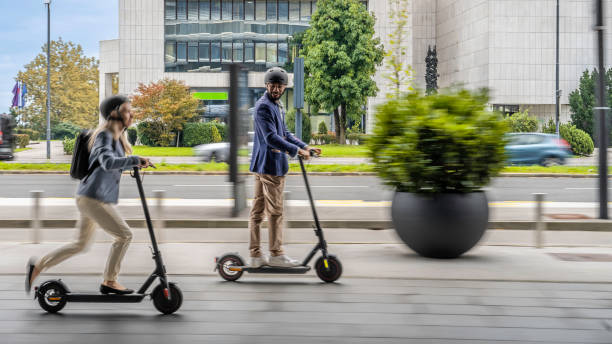
While scooters have been around for decades, the modern electric scooter boom started in the early 2010s when battery technology became more advanced and affordable. Companies like Xiaomi and Segway introduced lightweight, foldable scooters that became instant hits among urban commuters.
Soon after, ride-sharing companies began offering electric scooter rentals in major cities, making them accessible to millions of people. Today, e-scooters are not only a trend but also a mainstream part of urban mobility.
Types of Electric Scooters
Not all electric scooters are the same. Depending on your lifestyle and needs, you can choose from several types:
- Commuter Scooters—Lightweight, foldable, and perfect for daily travel to school or work.
- Performance Scooters—Designed for speed and power, often with stronger motors and longer battery life.
- Off-Road Scooters—Built with larger tires and powerful suspension for rough terrains.
- Kids’ Scooters—Smaller, safer, and designed with limited speed for children.
Understanding these categories helps buyers make smarter decisions before investing in one.
Whether you’re a student, a professional, or someone who simply loves innovative gadgets, investing in an electric scooter can change the way you travel. With smart features, compact designs, and cost savings, they’re not just vehicles—they’re the future of personal transport